1.Program History
The Intelligent Construction program (Water Conservancy Track) is an Emerging Engineering program established by the School of Civil Engineering on the basis of its Civil Engineering program, which dates back to 1992. To proactively meet national strategies and the demand for digital transformation of the infrastructure industry, the program targets the digital and intelligent upgrading of civil and water conservancy engineering, and cultivates interdisciplinary talent who can deeply integrate traditional engineering technology with artificial intelligence. The program began admitting students in 2025 and currently has more than 60 undergraduate students. It is supported by two provincial-level teaching teams and more than 20 full-time faculty members, 80% of whom hold doctoral degrees. Research platforms such as the Jiangxi Provincial Key Laboratory of Water Ecological Protection at River Sources have been established, and the program shares the teaching and experimental platforms built over many years by the Civil Engineering program, providing a solid guarantee for talent cultivation.
The supporting Civil Engineering program began admitting undergraduate students in 1994, was approved as a Jiangxi Provincial Characteristic Program in 2010, and became one of the first batch of National First-Class Undergraduate Program Construction Sites in 2019. It was granted authorization to confer the professional Master's degree in Architectural and Civil Engineering in 2005, the qualification to recommend outstanding undergraduates for admission to master's programs without entrance examination in 2009, and the master's degree program in the first-level discipline of Civil Engineering in 2011, boasting a long educational history and deep disciplinary heritage. This program holds the qualification to recommend students for postgraduate admission without examination and, drawing on the doctoral programs in Mining Engineering and in Resources and Environmental Engineering, admits doctoral students in the field of environmental geotechnics, forming an integrated bachelor's-master's-doctoral talent cultivation system.
2.Educational Objectives
In response to national strategies and the future needs of engineering construction, this program cultivates students who develop in an all-round way—morally, intellectually, physically, aesthetically, and through labor—possess both scientific and humanistic literacy, meet the needs of socialist modernization, and achieve coordinated development of knowledge, ability, and quality. Students master the integrated application of digital design, intelligent construction, smart operation and maintenance (O&M), and artificial intelligence in water conservancy engineering, and acquire cross-domain comprehensive abilities. The program aims to produce innovative, interdisciplinary, and application-oriented talent with an international perspective and distinctive characteristics of the nonferrous metals mining industry, who are capable of engaging in engineering design and construction, smart sensing of water conservancy information, system development, data mining, intelligent decision-making and collaborative management, and scientific research in water conservancy, civil engineering, energy and other related engineering fields as well as the computing and information technology industry. Within approximately five years after graduation, through further study or engineering practice, graduates are expected to attain the following objectives:
Objective 1. Graduates possess a strong sense of national identity, social responsibility, and historical mission, together with sound professional ethics and dedication. They are able to systematically apply holistic and sustainable development concepts to guide engineering technology and management practice, and are willing and able to serve the development of society and the industry, becoming a backbone force promoting social progress;
Objective 2. Graduates can comprehensively apply professional theory and new technologies such as artificial intelligence in light of engineering practice, possess strong engineering practice and innovation abilities, and are independently competent in engineering design and construction, smart sensing of water conservancy information, system development, data mining, intelligent decision-making and collaborative management, and scientific research in water conservancy, civil engineering, energy and related engineering fields as well as the computing and information technology industry, becoming technical or management backbone members of their organizations;
Objective 3. Graduates have good organizational and communication skills and cross-cultural communication competence, maintain an international perspective, are able to take on organizational and management roles in teams, and are capable of participating in international exchange and cooperation;
Objective 4. Graduates keep abreast of the frontier of new technologies in intelligent construction, civil and hydraulic engineering, nonferrous metals mining, and artificial intelligence, continuously upgrade their capabilities to keep pace with the times and adapt to career development, actively respond to the needs of industrial technological innovation, and become active participants in advancing the industry and the profession.
3.Educational Philosophy
The program actively aligns with the initiatives of Digital China, Smart Water Conservancy, and the digital transformation of the infrastructure industry, and promotes the deep cross-integration of water conservancy engineering and civil engineering with new-generation information technologies such as artificial intelligence, big data, the Internet of Things, and digital twins, highlighting the interdisciplinary talent cultivation feature of “water conservancy + intelligence”. Building on the university's disciplinary strengths in nonferrous metals mining, it integrates the distinctive “Rare Earth and Critical Minerals +” courses and the concepts of green, low-carbon development and carbon neutrality into the cultivation process, forming distinctive characteristics of the nonferrous metals mining industry. It strives to cultivate high-quality talent with patriotism, an international perspective, engineering ethics, and lifelong learning ability. The teaching system for talent cultivation of this program has the following features:
Feature 1. The fundamental task of “fostering virtue through education” is fully implemented, and revolutionary culture, ideological and political education, and engineering ethics education run through the entire process of talent cultivation, constructing a three-in-one educational system of value shaping, knowledge transmission, and ability cultivation;
Feature 2. The curriculum system is built following the logic of “general education foundation, interdisciplinary integration, professional core, track expansion, and practice throughout”. Students must complete 156 credits to graduate, comprising 44 credits of general education courses, 68 credits of disciplinary foundation courses, 33 credits of professional core courses, 5 credits of professional elective courses, and 6 credits of Second Classroom activities; practice courses account for 24.20% of the total credits;
Feature 3. Following the principles of “early exposure, continuous engagement, full-process coverage, and progressive advancement”, students start with an introductory field practice, then proceed successively through digital engineering surveying practice, engineering geology field practice, hydrological engineering training, hydraulic engineering experiments, BIM modeling training, hydraulic structures course design, and production internship, followed by course design for big data and information mining technology, course design for intelligent construction in civil engineering, and digital twin and intelligent systems training, and finally complete the graduation internship and graduation design (thesis). Intensive practical teaching totals 25.5 credits. Innovation and entrepreneurship education is incorporated into a compulsory course (3.5 credits) and the Second Classroom (6 credits), promoting the integration of coursework, competitions, and innovation;
Feature 4. A whole-life-cycle intelligent construction curriculum chain of “digital design–intelligent construction–smart operation and maintenance” has been created, in which core courses progress step by step and connect organically, including Fundamentals of Engineering Drawing and BIM, Python Programming, Introduction to Sensors and the Internet of Things, Building Information Modeling Technology and Applications, Geographic Information Systems, Big Data and Information Mining Technology, Computer Vision and Image Processing, Digital Twins, Theory and Application of Smart Construction Sites, Intelligent Construction in Civil Engineering, and Smart O&M of Water Conservancy Engineering.
4.Cultivation Conditions
The program has established research platforms such as the Jiangxi Provincial Key Laboratory of Water Ecological Protection at River Sources. Relying on the Civil Engineering program, one of the first National First-Class Undergraduate Program Construction Sites, it shares experimental teaching resources in mechanics, structural engineering, geotechnical engineering, fluid mechanics, civil engineering materials, and virtual simulation, which can meet the experimental teaching needs of the disciplinary foundation and professional core courses.
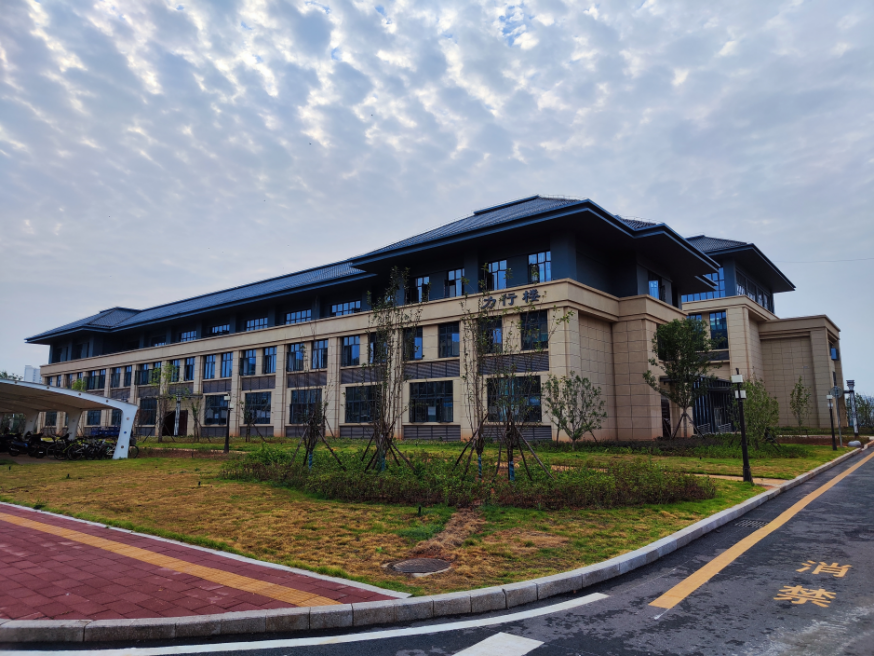

Figure 1 Civil Engineering and Mechanics Experimental Teaching Center
To meet the talent cultivation needs of digital design, intelligent construction, and smart operation and maintenance in water conservancy engineering, the program has built supporting experimental and training facilities for BIM modeling, digital engineering measurement and pricing, hydraulic engineering experiments, and digital twin and intelligent systems training, and is equipped with digital design, numerical simulation, and information analysis tools. These support students in carrying out practical training in BIM modeling, IoT sensing, big data mining, computer vision, digital twins, and smart construction site management.
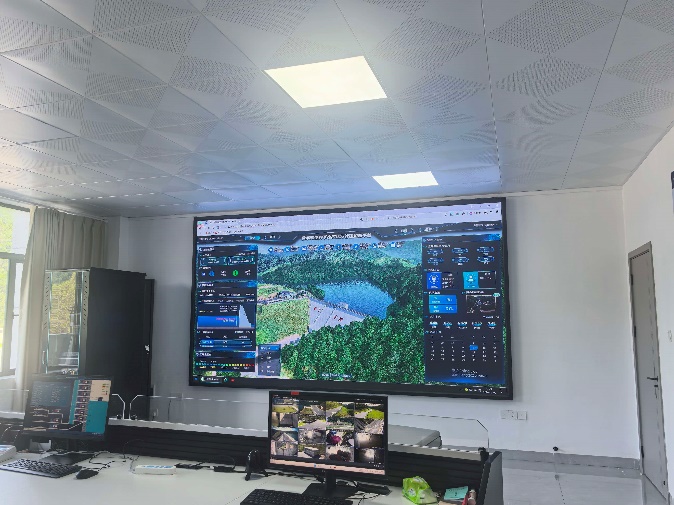
Figure 2 Smart Teaching Practice for BIM and Digital Twins
The program has two provincial-level teaching teams and more than 20 full-time faculty members, 80% of whom hold doctoral degrees. Relying on the master's degree program in the first-level discipline of Civil Engineering, the professional master's degree program in Civil and Hydraulic Engineering, and the doctoral programs in Mining Engineering and in Resources and Environmental Engineering, it has built a faculty with well-balanced academic backgrounds, solid theoretical foundations, and rich engineering practice experience.
Through intensive practical teaching segments such as introductory field practice, production internship, and graduation internship, the program carries out extensive collaborative education with enterprises, public institutions, and research institutes in the water conservancy, civil engineering, energy, and information technology industries, providing strong support for cultivating students' engineering practice and innovation and entrepreneurship abilities.
5.Achievements in Teaching Development and Reform
As a newly established program built on a high starting point and the deep educational heritage of the Civil Engineering program, this program has already formed the following foundation for teaching development and reform initiatives. The supporting Civil Engineering program is one of the first National First-Class Undergraduate Program Construction Sites and a Jiangxi Provincial Characteristic Program; it boasts provincial-level teaching teams and Jiangxi Provincial High-Level Undergraduate Teaching Teams, has won a national-level teaching achievement award, and has established an integrated bachelor's-master's-doctoral talent cultivation system, providing all-round support for this program in terms of the discipline, faculty, platforms, and teaching reform experience.
In response to the talent demand for intelligent construction and smart water conservancy, 11 graduation requirements and their indicator decomposition system have been systematically established, and support matrices between the graduation requirements, the educational objectives, and the curriculum have been developed, forming an outcome-oriented talent cultivation plan with closed-loop assessment, so that the cultivation of knowledge, ability, and quality can be decomposed, implemented, and evaluated.
(1)A whole-life-cycle professional core course cluster (33 credits) of “digital design–intelligent construction–smart operation and maintenance” has been developed, systematically offering interdisciplinary and integrated courses such as Fundamentals of Engineering Drawing and BIM, Python Programming, Introduction to Sensors and the Internet of Things, Building Information Modeling Technology and Applications, Geographic Information Systems, Big Data and Information Mining Technology, Computer Vision and Image Processing, Digital Twins, Theory and Application of Smart Construction Sites, Intelligent Construction in Civil Engineering, and Smart O&M of Water Conservancy Engineering;
(2)Professional elective courses such as Green Resource Development and Intelligent Blasting Engineering (a distinctive applied course of “Rare Earth and Critical Minerals +”) and Introduction to Carbon Neutrality Technologies have been opened, integrating the strengths of the nonferrous metals mining industry and the concept of green, low-carbon development into the curriculum system and forming distinctive program characteristics;
(3)A four-year continuous practical teaching system has been constructed, with intensive practical teaching totaling 25.5 credits and practice courses accounting for 24.20% of the total credits. BIM modeling training, hydrological engineering training, digital twin and intelligent systems training, and multiple course designs are offered to strengthen students' ability to solve complex engineering problems in intelligent construction, intelligent decision-making, and collaborative management of water conservancy engineering;
(4)Innovation and entrepreneurship education has been incorporated into the talent cultivation plan, with a 3.5-credit compulsory innovation and entrepreneurship course and 6 credits of Second Classroom activities, promoting the integration of coursework, competitions, and innovation. Building on the discipline competition and College Students' Innovation and Entrepreneurship Training Program foundations of the Civil Engineering program, students are organized to participate in various discipline competitions and innovative practice activities such as intelligent construction, BIM technology, and structural design information technology.
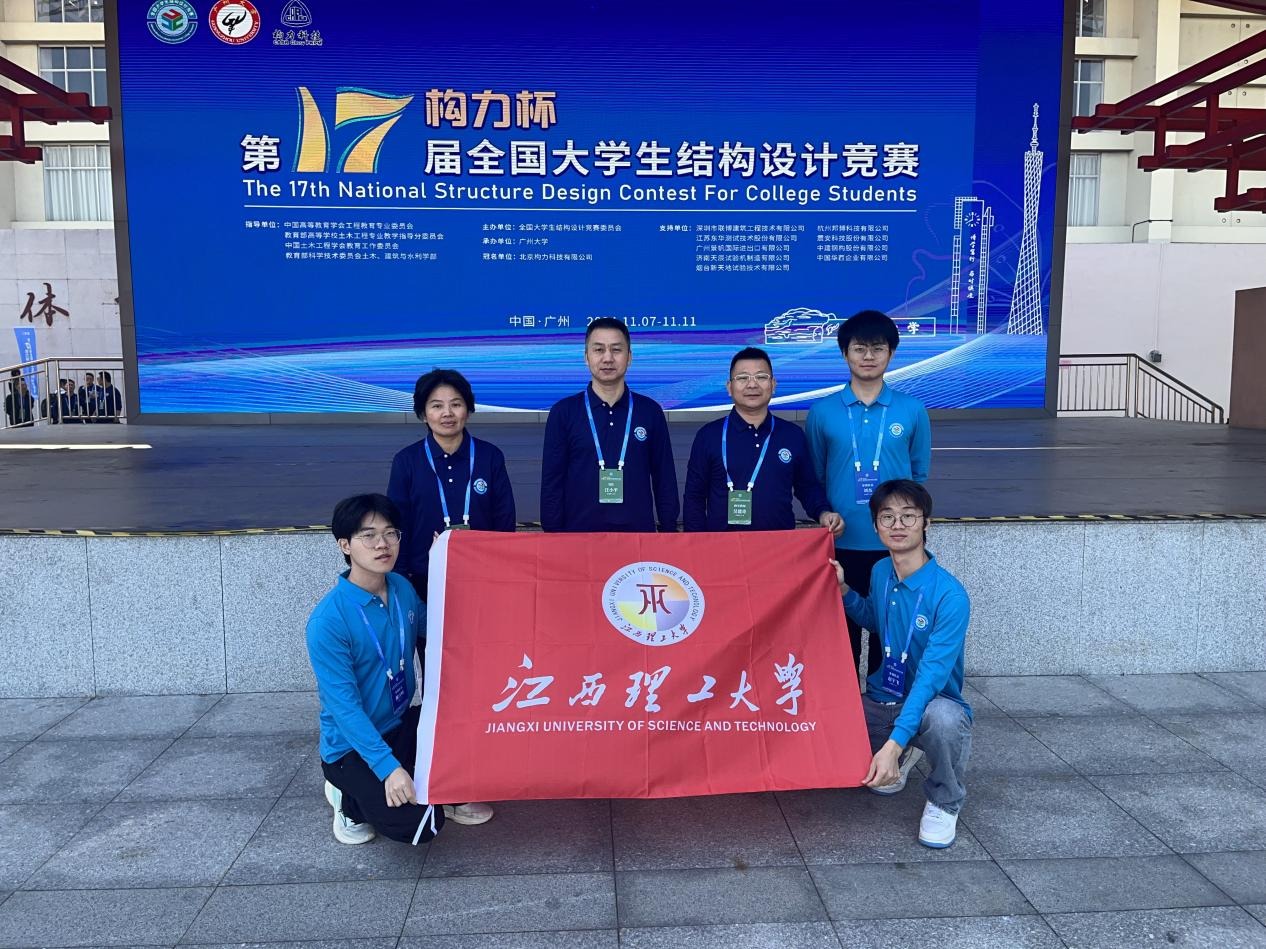
Figure 3 Students Participating in the National College Student Structural Design Competition
As the development of the program continues, the achievements in model courses for curriculum-based ideological and political education, industry-university collaborative education projects, textbook development, and student discipline competitions will continue to grow, and the substantive development of the program and the quality of talent cultivation will be steadily enhanced.
6.Application Fields and Employment Prospects
The main application fields of the program cover water conservancy, civil engineering, energy and other related engineering fields as well as the computing and information technology industry. Graduates may work in survey, design, construction, and operation and management enterprises and public institutions in the sectors of water conservancy and hydropower, smart water conservancy, engineering construction, energy and transportation, and urban infrastructure, as well as in related research institutes and information technology enterprises. They can engage in technical and management work such as engineering design and construction, smart sensing of water conservancy information, intelligent construction system development, data mining, intelligent decision-making and collaborative management, intelligent inspection, monitoring and assessment of infrastructure, smart O&M of water conservancy engineering, and scientific research.
At present, the development of Digital China, the construction of the national water network, and the advancement of Smart Water Conservancy are accelerating, and the digital and intelligent transformation of water conservancy and civil infrastructure continues to deepen. New technologies such as BIM, the Internet of Things, geographic information systems, big data, computer vision, digital twins, and artificial intelligence are deeply integrated with water conservancy engineering. The industry has a strong demand for interdisciplinary talent who understand both water conservancy and civil engineering and master intelligent information technologies, offering graduates of this program broad employment fields and development space.
For further studies, the program is supported by the professional master's degree program in Civil and Hydraulic Engineering and the qualification to recommend students for postgraduate admission without examination. Graduates may pursue master's and doctoral degrees in fields such as intelligent construction, smart water conservancy, and geotechnical and environmental engineering, and may study at overseas universities through the university's international cooperation and exchange channels, ensuring smooth pathways for further education.